
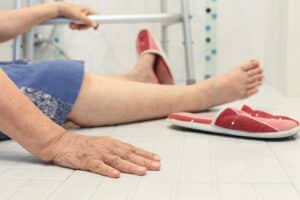
Falls are one of the most common and serious health risks facing older adults. A single fall can lead to injuries, hospital visits, and a loss of confidence that affects daily life. Many seniors become less active after a fall, fearing another accident, which can lead to reduced mobility and further health challenges. For families, preventing these incidents becomes a top priority.
Senior fall risk management focuses on identifying potential hazards and creating safer routines that protect seniors from preventable injuries. With thoughtful support and awareness, many falls can be avoided.
Aviva In-Home Care helps older adults remain safe at home by providing attentive assistance and practical strategies that reduce fall risks while supporting independence.
Why Falls Are a Serious Concern for Seniors
As people age, physical changes can increase the likelihood of falling. Balance may decline, muscle strength may weaken, and vision may change. Medications and chronic health conditions can also affect coordination and alertness.
Even a small slip can lead to significant consequences such as fractures, head injuries, or extended recovery periods. For some seniors, the fear of falling becomes just as limiting as the injury itself.
Senior fall risk management focuses on understanding these risks and creating practical steps that help seniors remain safe and confident in their daily routines.
Identifying Common Fall Hazards at Home
Many falls occur in the very place seniors feel most comfortable: their own home. Everyday household items can become hazards if not addressed properly.
Common risk factors include:
- Loose rugs or cluttered walking paths
- Poor lighting in hallways or stairways
- Slippery bathroom floors
- Uneven steps or flooring
- Furniture placed too closely together
Senior fall risk management begins by identifying these potential hazards and making simple adjustments to create a safer environment.
Caregivers help maintain organized living spaces and assist seniors when navigating areas that may pose challenges.
Strength and Mobility Support
Reduced strength and mobility often increase the risk of falls. Everyday movements such as standing up from a chair or stepping into the shower may become more difficult over time.
Caregivers provide assistance with mobility while encouraging gentle movement and daily activity. This support helps seniors remain physically engaged without overexertion.
By helping with tasks that require balance or coordination, caregivers reduce the likelihood of accidents while allowing seniors to maintain independence.
The Role of Personal Care Assistance
Activities like bathing, dressing, and moving around the home often present the highest fall risks. Wet surfaces, tight spaces, or sudden changes in balance can quickly lead to accidents.
Senior fall risk management includes providing assistance during these moments when extra support is needed. Caregivers help seniors move safely, maintain balance, and complete personal care tasks comfortably.
Medication Awareness and Monitoring
Certain medications may cause dizziness, drowsiness, or changes in blood pressure. These effects can increase the likelihood of losing balance or feeling unsteady.
Caregivers support senior fall risk management by providing medication reminders and observing changes in how seniors respond to prescriptions. If unusual symptoms appear, families can be notified quickly so they can consult healthcare professionals.
This attentive approach helps address potential concerns before they lead to accidents.
Encouraging Confidence and Independence
Fear of falling can cause seniors to limit their movement or avoid activities they once enjoyed. While caution is understandable, reduced activity can weaken muscles and actually increase fall risk over time.
Senior fall risk management focuses on restoring confidence through safe, supported movement. Caregivers encourage seniors to remain active while offering a steady presence during daily routines.
This balance allows older adults to maintain independence without feeling unsafe.
The Importance of Companionship
Falls are not always caused by physical hazards alone. Loneliness or fatigue can also affect attention and coordination. Seniors living alone may rush tasks or feel unmotivated to maintain safe routines.
Companionship plays a meaningful role in senior fall risk management. Having someone nearby to assist with daily tasks and provide conversation encourages safer habits and reduces stress.
Creating a Safer Future at Home
Preventing falls requires awareness, planning, and consistent support. Senior fall risk management helps families take proactive steps to reduce hazards and protect their loved ones from avoidable injuries.
With thoughtful care and attention to daily routines, seniors can continue living comfortably and confidently at home.
Our agency works closely with families to provide compassionate assistance that promotes safety and independence. Through reliable support and attentive caregiving, seniors can maintain their quality of life while reducing the risk of falls in the place they call home.
If you or an aging loved one are considering Senior Fall Risk Management in Burlingame, CA, please contact the caring staff at Aviva In-Home Care today at (415) 463-1400
Aviva In-Home Care provides exceptional senior home care in the Bay Area, including San Francisco, Burlingame, San Mateo, Hillsborough, Atherton, Menlo Park, Palo Alto, Berkeley, Lafayette, Orinda, and surrounding areas.

- Aging in Place: Details Matter - October 9, 2026
- What Are the Benefits of Alzheimer’s Care for Seniors and Families? - September 24, 2026
- In-Home Care Helps Seniors Stay Independent Longer - September 18, 2026