Assistance with Walking & Mobility
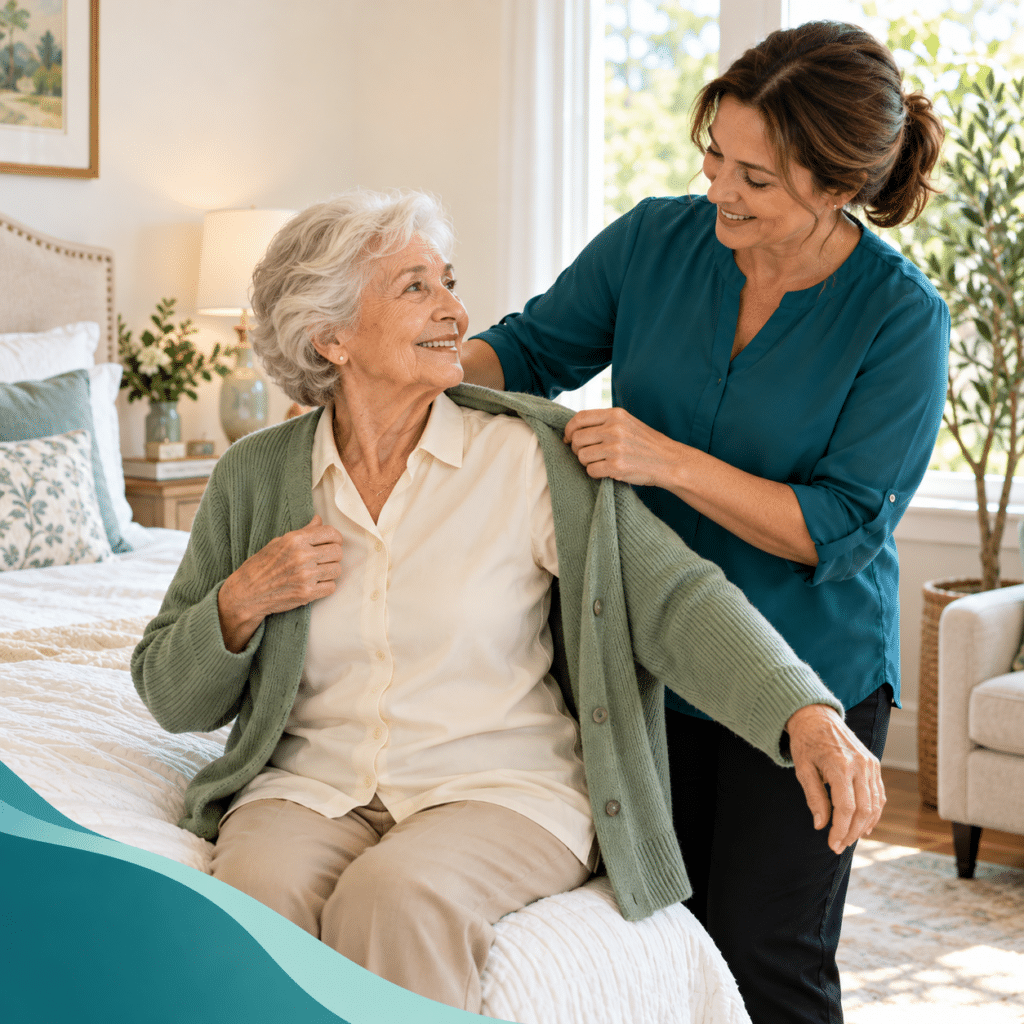
Assistance Bathing, Toileting, & Dressing
Cueing & Reminders for Activities of Daily Living (ADLs)
Transferring Assistance
Turning & Repositioning
Aviva In-Home Care helps older adults and adults who need assistance with everyday activities remain supported in their own homes. Our non-medical services include personal care, companionship, dementia support, fall risk management, and assistance before and after surgery.
Care is built around the person receiving it. We consider daily routines, individual preferences, family involvement, and the tasks that have become difficult. Different services can be combined into one care plan, so you do not have to choose a single category of assistance.
Call 415-463-1400 or request a free assessment to discuss your needs. Our team is available by phone 24 hours a day, seven days a week
Home care can help when everyday responsibilities become difficult to manage alone. Aviva supports people with a range of non-medical needs, including:
You do not need to know exactly which service to request. Start by describing what has changed and where assistance would make the greatest difference.
Personal care provides assistance with routines such as bathing, dressing, grooming, toileting, and eating. Depending on the assessed needs and agreed care plan, support may also include walking and transfer assistance.
Our approach respects privacy and encourages clients to participate in the activities they can manage. Preferences matter, including how someone likes to get ready, when they prefer to bathe, and what helps them feel comfortable accepting assistance.
Who it helps: People who need hands-on support with personal routines because of aging, disability, limited mobility, or recovery.
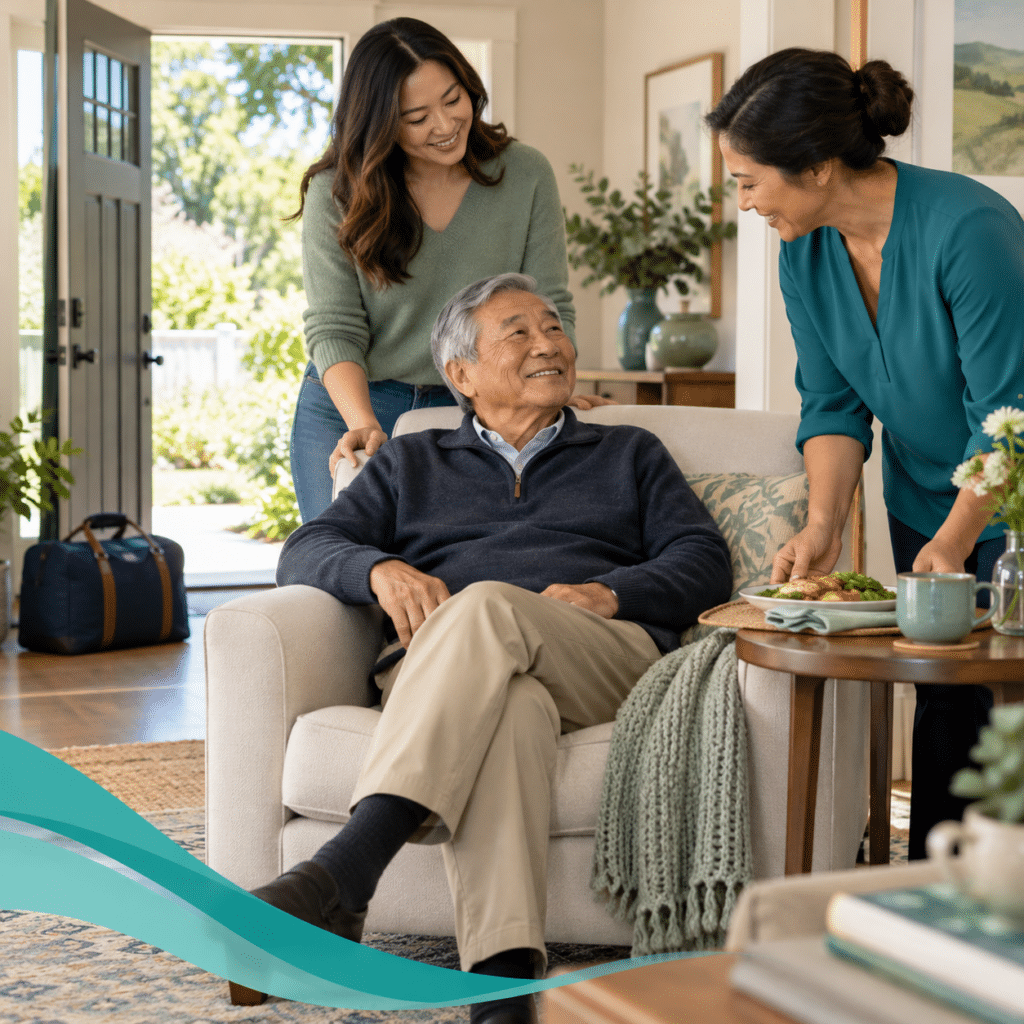
Companion care combines social connection with practical assistance around the home. Services can include conversation, shared interests, meal preparation, light housekeeping, laundry, errands, and accompaniment on outings.
Visits should reflect the person’s interests. Reading, looking through photographs, preparing a familiar meal, or enjoying an appropriate outing can provide meaningful ways to spend time together.
Who it helps: People who spend considerable time alone or need assistance with daily tasks while maintaining their personal routines.
Aviva provides non-medical support for people living with Alzheimer’s disease and other forms of dementia. Assistance can include personal care, companionship, familiar activities, and guidance through everyday routines.
Care planning considers the individual’s communication preferences, supervision needs, and activities that feel familiar and reassuring. Family input helps the team understand what works well and which situations need additional attention.
Who it helps: Individuals with memory-related challenges and families seeking assistance with daily caregiving responsibilities.
Fall risk management focuses on daily mobility and potential hazards in the home. Support may include identifying cluttered pathways, discussing lighting concerns, and providing appropriate assistance with walking and personal routines.
Tell us about falls, near falls, difficult transfers, or activities your loved one has stopped doing because they feel unsteady. These details help identify where support may be useful.
Who it helps: People with balance or mobility concerns and those who need assistance moving through their usual environment. No service can eliminate every fall risk.
Preparing for surgery and returning home afterward can create new demands on a household. Aviva provides non-medical assistance with everyday needs surrounding a procedure, including personal routines, meals, errands, and companionship.
Care planning should account for the expected discharge date, assistance needed at home, and relevant instructions from the treating professionals. Medical treatment remains the responsibility of qualified healthcare providers.
Who it helps: Adults who need temporary assistance around a procedure and families arranging practical support for a return home.
Knowing how a loved one is doing can be difficult when you cannot be present for every visit. Aviva records daily activities and relevant observations, including changes in behavior, mood, eating habits, and general well-being.
Authorized family members can request updates. Discuss who should receive information, the preferred communication method, and whom to contact with questions.
Who it helps: Families who want to stay involved in care, particularly when relatives live outside the area or share caregiving responsibilities.
The care conversation brings together your loved one’s needs, family priorities, and the practical details of providing assistance at home.
Call with your main concerns, location, and preferred schedule. Mention any upcoming procedure, discharge date, or change in family availability.
You can begin with specific tasks, such as assistance getting dressed or preparing lunch. You do not need a completed care plan before contacting us.
An assessment provides an opportunity to discuss daily activities, mobility, the home environment, and personal preferences. Include the person receiving care whenever possible, along with the relatives or representatives they want involved.
Work with the team to identify the services needed and the times when assistance would be most useful. Review the proposed tasks, rates, minimum scheduling requirements, and communication arrangements.
Discuss caregiver availability and any important preferences. Before care begins, confirm the first visit, home-entry instructions, emergency contacts, and priorities for the shift.
Start dates depend on the requested assistance and available staffing. Contact us directly to confirm timing.
Keep the team informed about changes in routines or assistance needs. Family input helps identify when a care plan should be revisited.
The right schedule depends on when help is needed, the tasks involved, and the support already available from family or other providers.
During your first conversation, explain whether you are seeking recurring daytime visits, evening assistance, overnight support, or more extensive coverage. The team can discuss which arrangements are available for your situation.
Call 415-463-1400 for current minimum visit lengths and any weekly scheduling requirements. Confirm these details, along with rates and cancellation terms, before booking care.
Aviva offers 24/7 client support. Phone availability is separate from an individual caregiver’s schedule and does not guarantee an immediate start for a new assignment.
Your care budget should reflect the agreed services, schedule, and applicable charges. Request pricing for the arrangement being considered, including any transportation-related costs or special scheduling charges.
Aviva lists private pay and long-term care insurance among its payment options. Insurance benefits depend on the policy, so confirm eligibility, documentation requirements, and reimbursement arrangements with the insurer.
Read our guide to the Cost of Home Care for more information about planning a care budget.
Aviva’s services assist with everyday living. They do not replace medical assessment, skilled nursing, or rehabilitation provided by licensed healthcare professionals.
Some people need both non-medical home care and separately arranged clinical services. In that situation, clarify each provider’s responsibilities and share relevant information with the client’s authorization.
During the assessment, describe any task involving specialized equipment or substantial physical assistance so the team can determine whether it falls within the proposed care arrangement.
Aviva serves San Francisco and Bay Area communities, including Burlingame, San Mateo, Hillsborough, Atherton, Menlo Park, Palo Alto, Berkeley, Lafayette, and Orinda. Contact us to confirm availability for your address and requested schedule.
Explore local information:
Whether you need assistance with one part of the day or several daily routines, the first step is a conversation about what would help.
Call 415-463-1400 or request your free care assessment.
Aviva In-Home Care
100 Pine St., Suite 1250
San Francisco, CA 94111
California Home Care Organization License #414700119
Clinical Reviewer: Valerie VanBooven, RN, BSN